
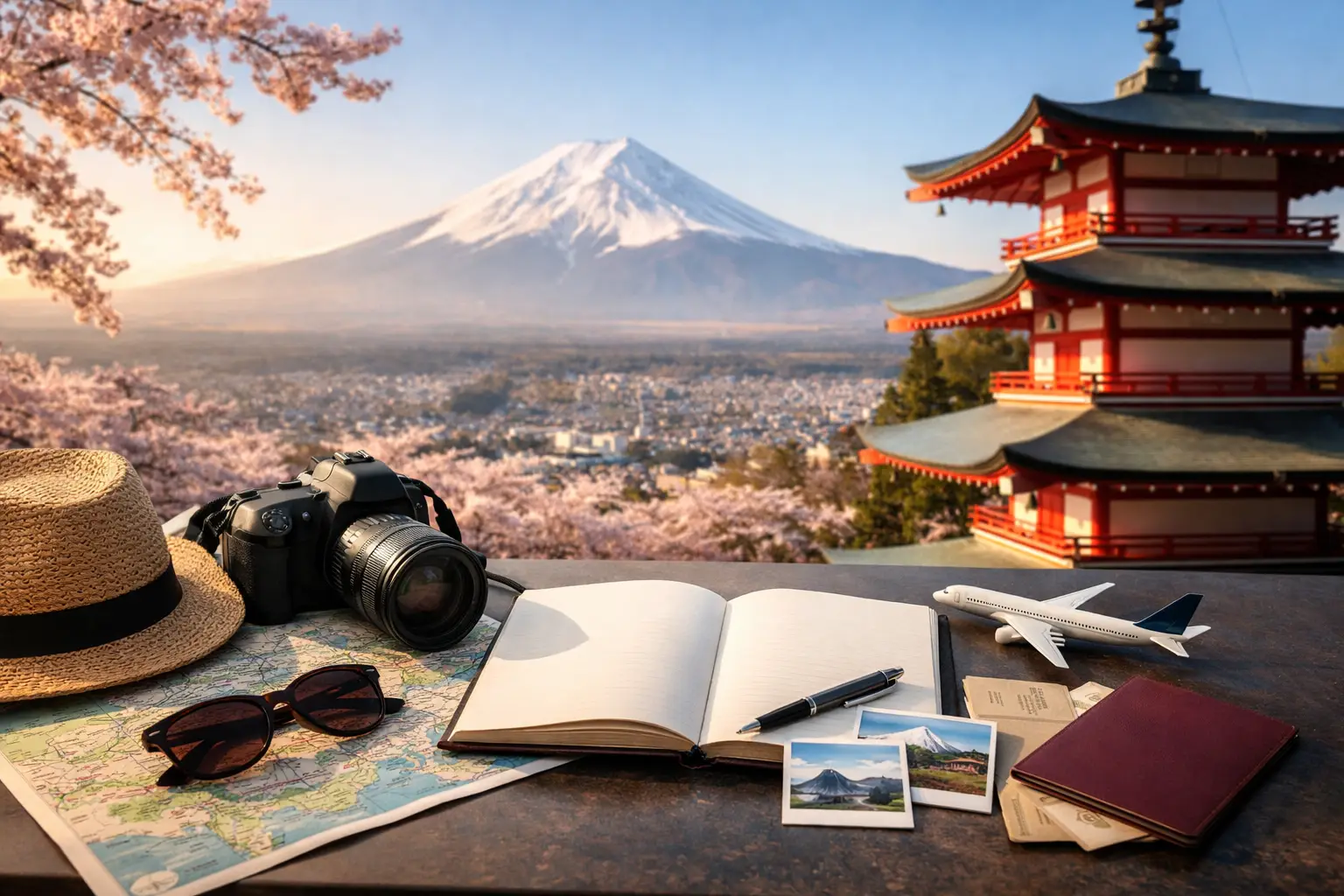
A First Time Japan Travel Itinerary for 10 Days
Japan can feel beautifully precise and wonderfully overwhelming at the same time. One moment you are stepping out of a quiet shrine garden; the next, you are standing beneath Tokyo’s neon skyline deciding which rail platform to take. A thoughtful first time Japan travel itinerary gives you enough structure to enjoy those contrasts without spending your vacation constantly checking maps, train schedules, and hotel confirmations.
For many American travelers, 10 days is the sweet spot. It is long enough to experience Tokyo’s energy, slow down in a traditional hot-spring town, and give Kyoto and Osaka the time they deserve. It is not a race to collect every famous sight. Japan rewards travelers who leave room for an unplanned alleyway meal, a peaceful temple visit, or an hour browsing a department store food hall.
Start With the Right Shape for Your First Time Japan Travel Itinerary
The classic first visit follows a route from Tokyo to Kyoto, with a stop in Hakone and time in Osaka. It works because the train connections are efficient and each place offers a distinctly different view of Japan. Tokyo is expansive, fast-moving, and full of neighborhoods with their own personality. Hakone provides mountain scenery, ryokan inns, and onsen baths. Kyoto brings history, gardens, and traditional architecture. Osaka is relaxed, flavorful, and especially fun after dark.
This plan assumes you fly into Tokyo and depart from Osaka, or the reverse. An open-jaw flight often saves a valuable half-day of backtracking. If round-trip airfare through Tokyo is considerably better, the route can still work. You can take the high-speed train back to Tokyo on your final day, but it is a longer travel day and creates less breathing room.
Travelers with seven nights should skip Hakone or reduce Osaka to one night. Families with younger children may prefer an extra Tokyo night and fewer hotel changes. Couples celebrating a milestone may want two nights in Hakone or another scenic ryokan destination. The right itinerary is not about checking boxes. It is about matching the pace to the people taking the trip.
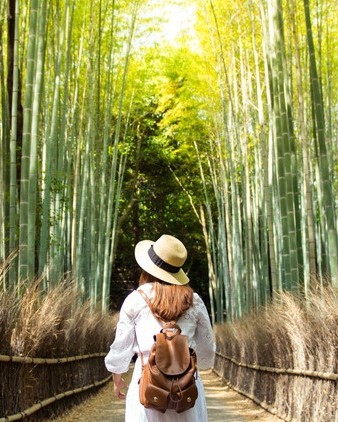 A Well-Paced 10-Day Route
Days 1 and 2: Arrive in Tokyo and Find Your Rhythm
International flights from the United States usually arrive in the afternoon or evening. Keep the first night simple. Choose a hotel close to a major station, have an easy dinner nearby, and let jet lag guide the evening. Shinjuku, Shibuya, Tokyo Station, Ginza, and Ueno are all practical bases, but they feel quite different. Shinjuku is lively and convenient, Ginza is polished, Ueno is often a strong value, and Tokyo Station makes onward rail travel especially easy.
On your first full day, choose one side of Tokyo rather than trying to cross the city repeatedly. A west-side day might include Meiji Shrine, Harajuku, Omotesando, Shibuya Crossing, and an evening viewpoint. An east-side day could include Asakusa’s Senso-ji Temple, the Sumida River area, Ueno, Akihabara, or a food-focused stop near Tokyo Station.
The goal is not to see all of Tokyo. It is to absorb its rhythm: orderly rail stations, convenience-store breakfasts that are better than expected, and neighborhoods that change character every few blocks.
Day 3: Tokyo Your Way
Use this day for the Tokyo experience that matters most to you. Art lovers may prioritize a major museum or an immersive digital art attraction. Families may choose a theme park, aquarium, or character-themed shopping area. Food-focused travelers can book a cooking class, sample sushi at a market area, or reserve a special dinner.
This is also a good day for a day trip if you would rather see Kamakura’s temples and giant Buddha or Nikko’s ornate shrines. However, do not add a day trip simply because it appears on a list. Tokyo itself can easily fill three or four full days, particularly if shopping, dining, and contemporary culture are part of your travel dreams.
Day 4: Tokyo to Hakone
Leave Tokyo after breakfast and head to Hakone, a popular escape in the foothills near Mount Fuji. The experience here is less about moving quickly between attractions and more about settling into a traditional inn. A ryokan stay often includes a multi-course dinner and breakfast, tatami-floor rooms, and access to communal or private onsen baths.
Hakone’s loop of rail, cable car, ropeway, and sightseeing boat can be enjoyable when weather is clear. Mount Fuji views are never guaranteed, even in a carefully planned season. Treat a clear view as a welcome bonus, not the sole reason for the stop.
Before leaving Tokyo, consider using luggage forwarding for your large suitcase. Sending it ahead to Kyoto allows you to travel to Hakone with a small overnight bag. It is one of those practical details that can make a multi-city itinerary feel far more comfortable.
Day 5: Hakone to Kyoto
Enjoy a quiet breakfast, then continue to Kyoto. Depending on your route, the journey generally involves returning toward Tokyo or connecting through Odawara before boarding the shinkansen. Kyoto Station can feel busy on arrival, so a hotel near Kyoto Station is convenient for first-time visitors and onward travel. Travelers who want a more atmospheric setting may prefer Gion, Higashiyama, or downtown Kawaramachi, with the trade-off of smaller rooms, higher rates, or more complicated taxi access.
Keep this evening light. Walk through Pontocho Alley, enjoy dinner near the Kamo River, or simply get familiar with your neighborhood. Kyoto deserves early starts, so resist the temptation to make your arrival night overly ambitious.
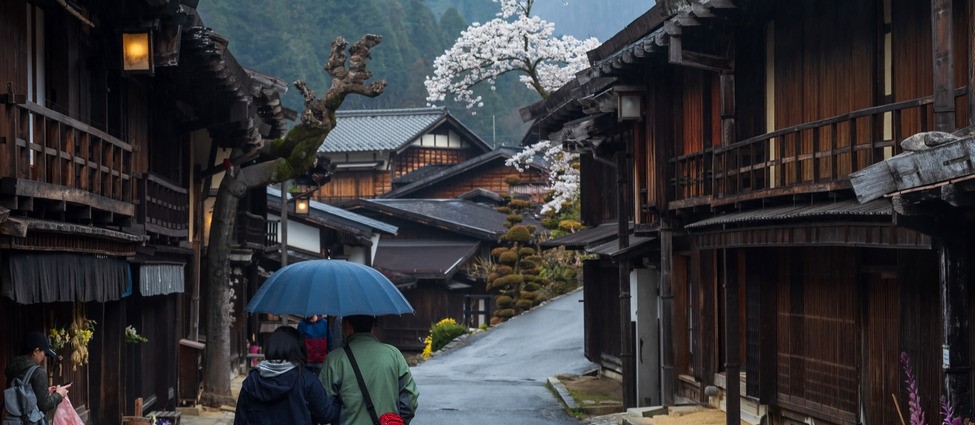 Days 6 and 7: Kyoto’s Temples, Markets, and Quiet Corners
Kyoto’s famous sites are best enjoyed early. Visit Fushimi Inari Shrine shortly after sunrise, before the vermilion torii gates become crowded. Kiyomizu-dera, Ninenzaka, and Sannenzaka make a natural eastern Kyoto day, while the Philosopher’s Path and Ginkaku-ji offer a more contemplative route.
For another day, combine Arashiyama’s bamboo grove with Tenryu-ji Temple, then explore beyond the most photographed paths. The nearby river, hillside temples, and small streets are often more memorable than the bamboo grove itself. Kinkaku-ji, the Golden Pavilion, is striking but sits apart from many other sights, so plan it as part of a northwest Kyoto day rather than squeezing it between stops across town.
Nishiki Market is a worthwhile food stop, but it is not the place for a full traditional dinner. Try small bites, then save one evening for a reserved kaiseki meal, a casual izakaya, or a neighborhood ramen shop. Kyoto’s dining can be exceptional, but popular restaurants may book well ahead, especially during cherry blossom season and fall foliage.
Day 8: Nara and Osaka
Travel from Kyoto to Nara for a half-day or full-day visit before continuing to Osaka. Nara Park’s free-roaming deer are charming, though they can be assertive around food. Todai-ji Temple and its Great Buddha create a powerful contrast to Kyoto’s more intimate temple settings.
Arrive in Osaka by late afternoon and check into a hotel in Namba, Umeda, or near Osaka Station. Namba is ideal for travelers who want to walk to Dotonbori’s bright signs, canal-side energy, and late-night food stalls. Umeda is a stronger choice for rail convenience and a more polished city feel.
 Day 9: Osaka’s Food and Personality
Osaka is a city to taste. Takoyaki, okonomiyaki, kushikatsu, and regional street-food favorites are part of the experience, but the city has excellent options at every price point. Spend the day at Osaka Castle, the Kuromon Market, Shinsekai, or a museum that fits your interests. Families may prefer Universal Studios Japan, which should be planned as a full day with tickets arranged in advance.
Leave the evening open. Osaka is less formal than Tokyo or Kyoto, and that is its appeal. A relaxed dinner in Dotonbori, a cocktail in a small bar, or a walk through lively side streets can become a favorite memory.
Day 10: Departure From Osaka
For flights from Kansai International Airport, allow ample time for the airport train or private transfer, particularly during morning rush hour. If you must return to Tokyo for your flight home, schedule the shinkansen with a generous buffer rather than treating it like a short domestic commute.
Details That Make Japan Easier to Enjoy
Japan is remarkably navigable, but a few decisions should be made before departure. Reserve hotels early, especially for spring blossoms, autumn foliage, holiday weeks, and smaller ryokan properties. Book limited-entry attractions and special restaurants before leaving home when possible.
A rail pass is not automatically the best value. For this Tokyo-Hakone-Kyoto-Osaka route, individual train tickets may cost less, depending on your exact day trips and travel dates. A travel professional can compare the numbers rather than assuming the pass is the answer.
Bring a credit card with no foreign transaction fees, but carry some yen for small purchases, temple offerings, and rural stops. Set up mobile data before arrival through an eSIM or pocket Wi-Fi plan, and download offline maps. An IC transit card makes local trains and buses easier, although availability and setup can vary by device and airport.
Most importantly, build in margin. Japan’s transportation is famously punctual, yet station navigation, luggage, weather, and the simple pleasure of lingering somewhere can affect your day. A carefully planned trip should support spontaneity, not remove it.
A Japan vacation is too meaningful to be reduced to a spreadsheet of train times. Rawhide Travel & Tours can help shape the route, flights, hotels, rail arrangements, and experiences around the way you actually like to travel, with someone who cares about your trip as much as you do. Leave room for the unexpected moments – they are often the ones you bring home with you.
Are you ready to book your dream trip to Japan? Let Rawhide Travel and Tours take care of all the details. Whether you’re looking for a personalized itinerary, expert guidance, or worry-free travel arrangements, we’re here to make your vacation unforgettable. Contact us today at 602-843-5100 or toll-free at 888-222-7594 to start planning your perfect getaway. Your Japan adventure awaits!


 Check your destination weather forecast now!